The Truth About Dofollow vs Nofollow Links: What Premium Publications Actually Offer
My phone rang at 11:47 PM on a Tuesday. I almost didn’t answer it. But I did, and on the other end was Sarah, the marketing director for a SaaS company I’d been working with for six months. Her voice was tight.
We just got featured in Forbes, she said. This is huge. I’m looking at the link right now, and it’s… It’s nofollow. Did they screw up? Should I email them?
I could hear the panic creeping in. She’d been waiting for this moment for months. Her team had pitched, followed up, and pitched again. And now she was staring at a rel=”nofollow” tag as if it were a death sentence.
Sarah, I said, grab yourself a cup of tea. You’re going to be fine. Actually, you’re going to be better than fine.
She didn’t believe me. Not at first. And honestly? I get it. For years, we’ve been told that nofollow links are worthless. That they don’t pass juice. That they’re SEO dead weight. But here’s what nobody wants to admit: that’s complete nonsense.
The Great Nofollow Panic
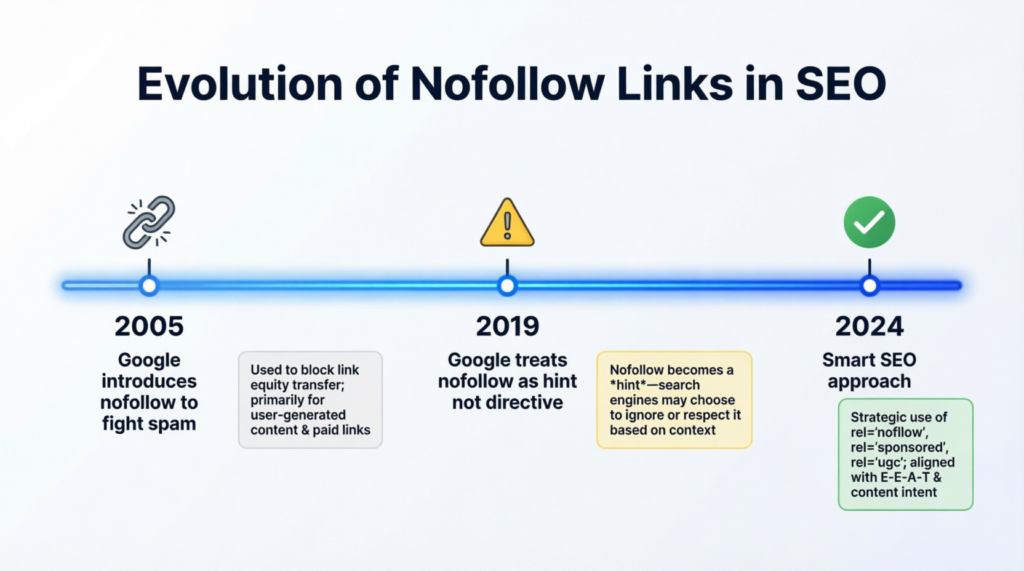
Let me take you back to 2005. Google announced the nofollow attribute to fight comment spam. Blog comments were a mess back then. People were stuffing keywords everywhere. It was the wild west. Google basically said, Hey webmasters, if you don’t trust a link, slap a nofollow on it and we won’t count it.
Simple enough.
But then something weird happened. The SEO community turned nofollow into this binary good-versus-evil thing. Dofollow equals good. Nofollow equals bad. End of story.
I remember losing sleep over this stuff in my early years. I’d audit a client’s backlink profile, see a bunch of nofollow links, and immediately start drafting a disavow file. I was that guy—the one who thought every link had to pass PageRank for it to be worth anything.
I was wrong. Spectacularly wrong.
And I’m not the only one who wasted years chasing this myth.
What Actually Happens When You Get That Premium Mention
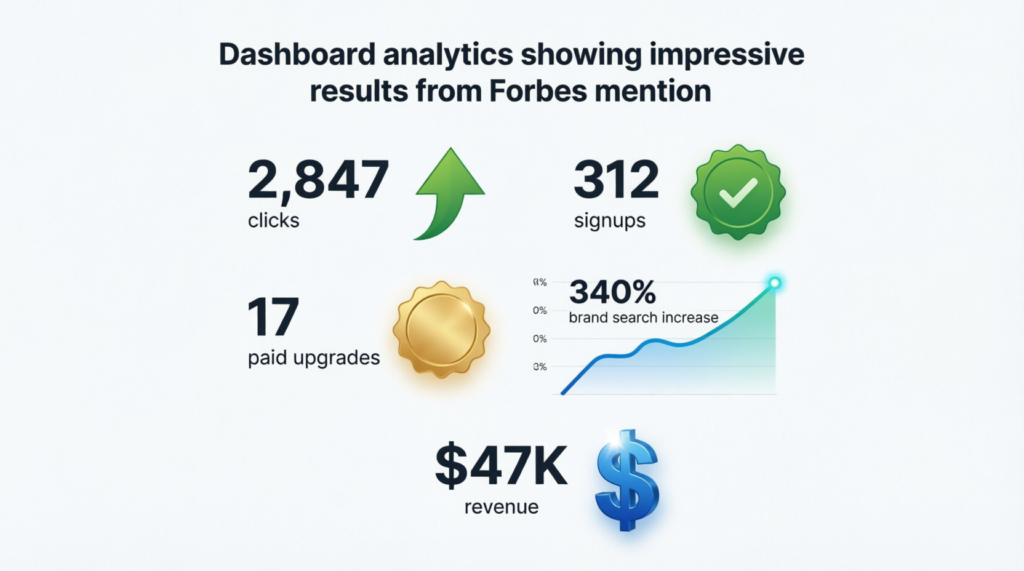
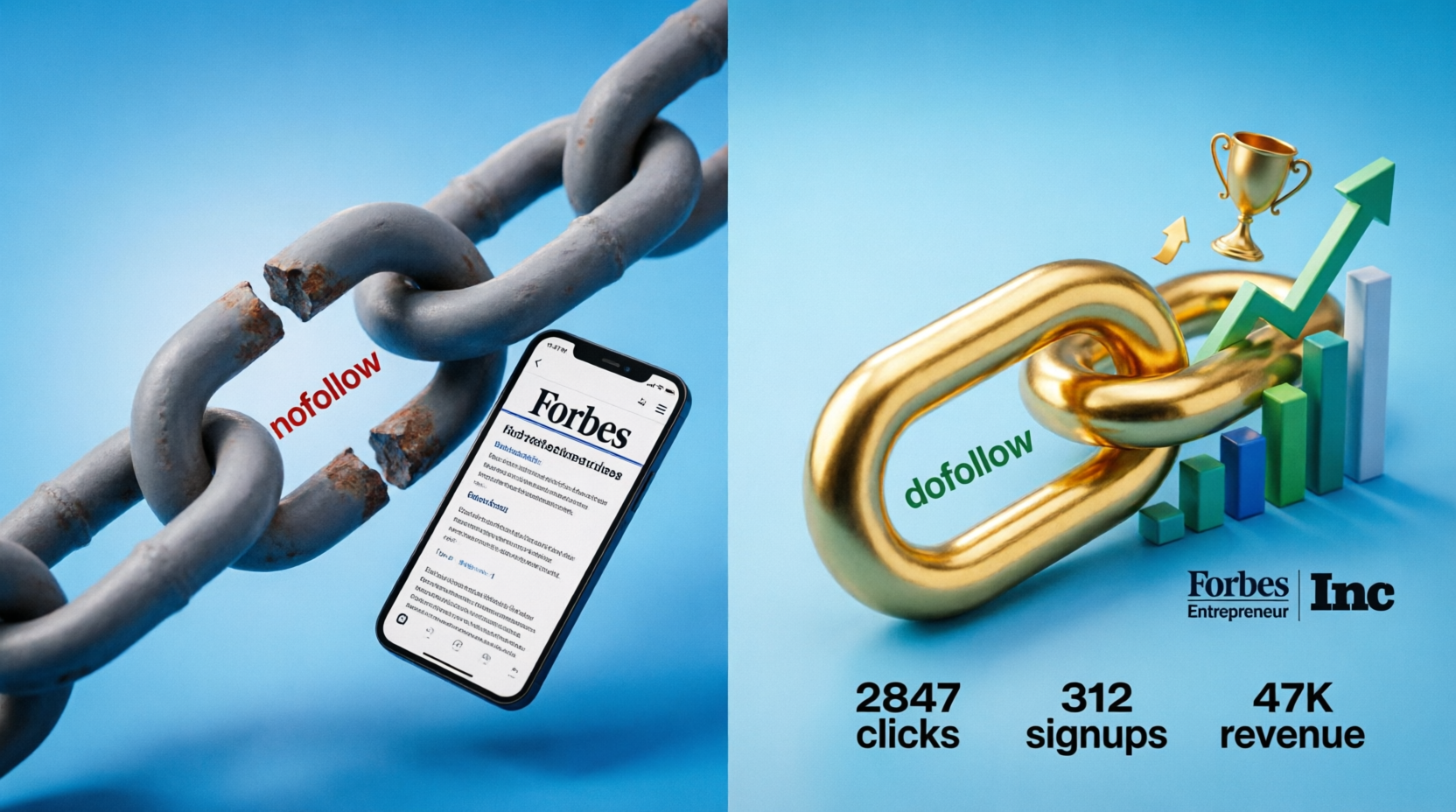
So Sarah’s Forbes link is nofollow. Big deal. Here’s what happened in the 48 hours after that article went live:
• 2,847 people clicked through to her site
• 312 of them signed up for a free trial
• 17 upgraded to paid plans within the first week
• Her brand search volume jumped 340%
• Three other journalists reached out for interviews
• Two competitors mentioned her product in their comparison pages (with dofollow links, by the way)
But wait, there’s more. Google saw that Forbes mentioned her brand. They saw the traffic spike. They saw people searching for her company name. They saw social signals. They saw all of it.
And you know what? That matters way more than whether a single link passes PageRank.
Here’s the thing nobody talks about: Google’s smart enough to know when a major publication mentions you. They don’t need a dofollow tag to understand that Forbes, Entrepreneur, or Inc. just validated your existence. The algorithm sees patterns. It sees relationships. It sees trust signals that have nothing to do with link attributes.
My $12,000 Mistake
Let me tell you about the time I almost fired a client because of nofollow links.
Back in 2014, I was working with an e-commerce brand selling outdoor gear. They landed a feature on REI’s blog. Huge win, right? The article was fantastic. It showcased their products perfectly. The referral traffic was insane.
But the links were nofollow.
I spent three weeks trying to get REI to change them. I drafted polite emails. I had the client call their contact. I basically made a fool of myself. REI politely declined. They use nofollow on all outbound links. It’s their policy.
I actually considered dropping the client. I thought, “What’s the point if we can’t get link equity?”
Six months later, that single REI mention had driven:
• $47,000 in direct revenue
• A 60% increase in branded searches
• Five natural dofollow links from other outdoor blogs that have seen the REI feature
I felt like an idiot. A well-paid idiot, but still.
The truth is, I was so focused on the technical attribute that I missed the actual value. Brand exposure. Trust transfer. Referral traffic. These things don’t show up in Ahrefs or SEMrush, but they show up in bank accounts.
The Real Hierarchy of Link Value
Let’s get something straight. Not all dofollow links are created equal. And not all nofollow links are worthless.
Here’s what actually matters:
Context beats attributes every time.
A dofollow link from a spammy directory? Garbage. A nofollow mention from The New York Times? Gold.
I’ve seen sites rank with backlink profiles that were 60% nofollow. How? Because those nofollow links came from places that matter. Real publications. Real audiences. Real trust.
Google’s own guidelines have evolved on this. They now treat nofollow as a “hint” rather than a directive. That’s huge. It means Google can choose to count it if they want to. And they often do, especially when the source is authoritative.
But here’s what really gets me: most SEOs are still stuck in 2010. They’re chasing dofollow links from any site with a DR above 30, completely ignoring whether that site actually has human readers.
What Premium Publications Actually Give You
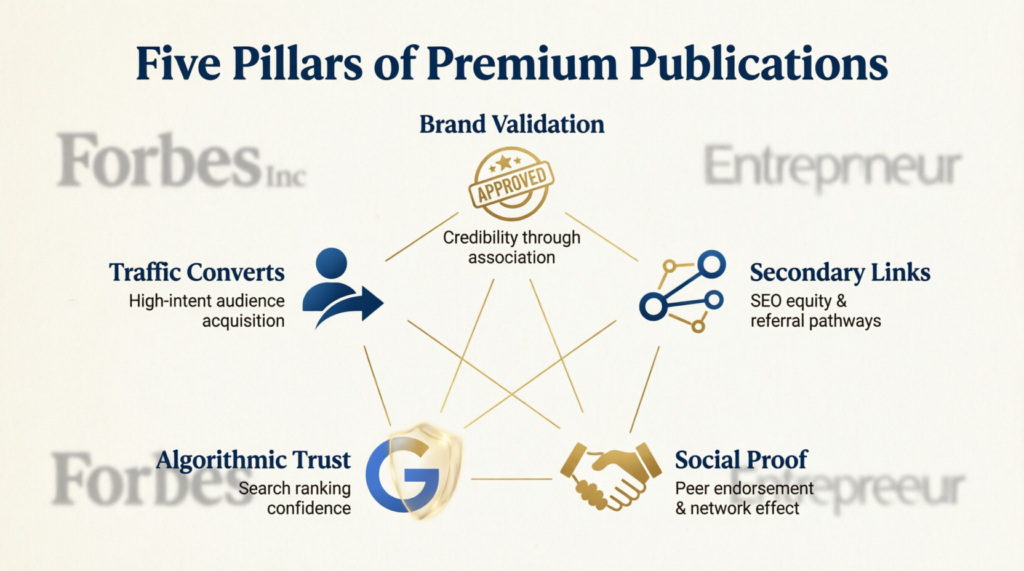
Let’s break down what you’re really getting when a major outlet mentions you:
1. Traffic that converts
These aren’t bots. These aren’t random clickers. These are people who trust the publication and are now curious about you. That’s worth more than any link attribute.
2. Brand validation
When Forbes writes about you, it’s like a stamp of approval. People remember that. They search for you later. They mention you to colleagues. This creates a ripple effect that no tool can fully track.
3. Secondary links
Here’s the secret: when one major publication covers you, others notice. Journalists monitor each other. Bloggers read industry news. That one nofollow mention often triggers three or four dofollow links from smaller sites that saw you mentioned elsewhere.
4. Social proof
Your sales team can now say, We were featured in… That closes deals. That builds trust. That’s revenue.
5. Algorithmic trust
Google sees when real people engage with your brand. They see the searches. The direct traffic. The time on site. All of this tells them you’re legitimate, regardless of link attributes.
The Metrics That Actually Matter
Stop obsessing over dofollow versus nofollow. Start asking these questions instead:
• Does this publication have real readers?
• Is the audience relevant to my business?
• Will this drive qualified traffic?
• Does this build my brand?
• Could this lead to other opportunities?
If the answer is yes to any of these, the link attribute doesn’t matter.
I’ve audited hundreds of backlink profiles. The ones that perform well have something in common: they’re diverse. They have a mix of follow and nofollow. They have brand mentions. They have unlinked references. They look natural because they are natural.
The sites that get penalized? They’re the ones with 100% dofollow links from random blogs. The ones that look manufactured. The ones that scream “I’m trying to game the system.”
A Reality Check on Link Juice
Let’s talk about PageRank for a second. Yes, it still exists. Yes, links still matter. But the way most people think about link juice is oversimplified.
When a page links to multiple sites, its PageRank is divided. That Forbes article Sarah got featured in? It is probably linked to 15 different companies. Each one got a tiny slice of that PageRank pie.
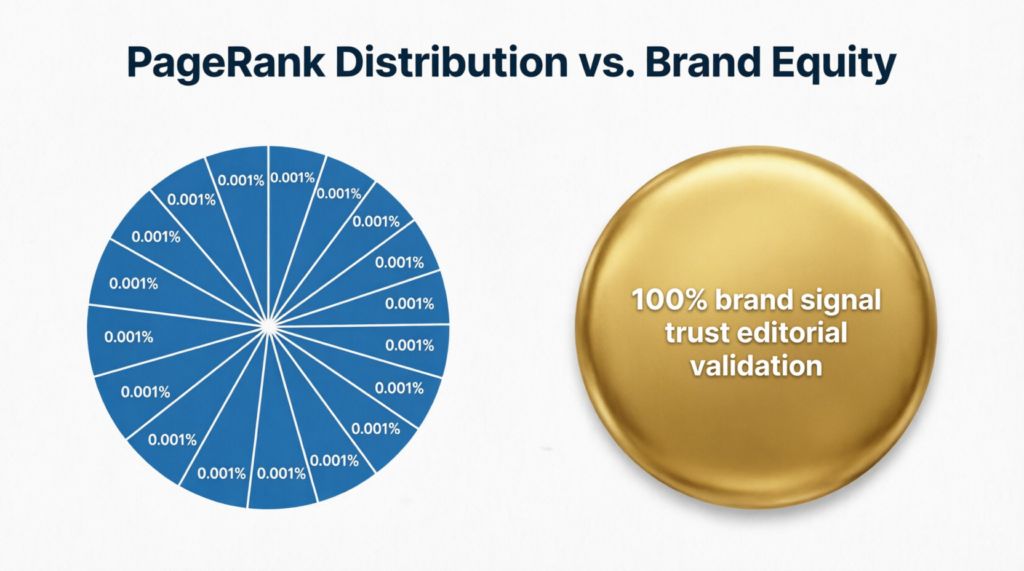
But here’s what’s interesting: the brand signal, the trust transfer, the editorial validation—that doesn’t get divided. You get 100% of that, regardless of how many other links are on the page.
So while your competitors are fighting over that 0.001% of PageRank, you could be building actual brand equity that compounds over time.
The Client Conversation I Have Now
When a client calls me panicked about a nofollow link, here’s what I tell them:
“Congratulations. You just got mentioned by a publication your customers actually read. That’s worth more than 100 dofollow links from sites nobody visits. Now let’s maximize this opportunity.”
Then we do three things:
Amplify it: Share it everywhere. Email it to our list. Post it on social. Run ads on it.
Capture it: Make sure the landing page is optimized. Add clear CTAs. Track the traffic.
Leverage it: Use it in pitches to other publications. Add it to the website’s press page. Mention it in sales conversations.
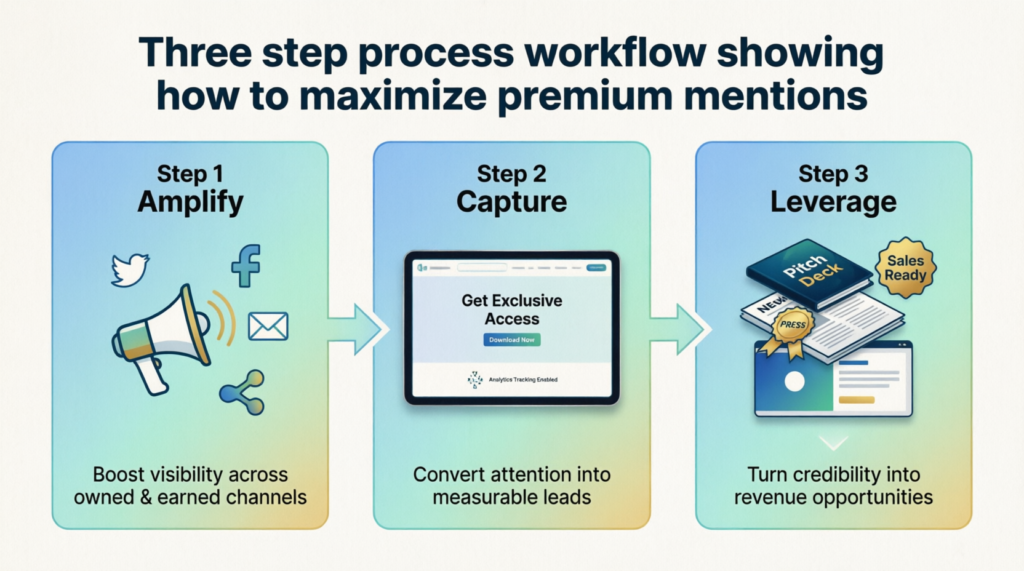
That’s how you extract value from a mention. Not by staring at the HTML source code.
The Bottom Line
Sarah’s Forbes feature? It became one of her best-performing marketing assets that year. The nofollow tag didn’t stop a single customer from signing up. It didn’t prevent Google from recognizing her brand as legitimate. It didn’t matter.
What mattered was that a trusted publication said her product was worth covering. That’s the currency that actually counts.
So the next time you land a premium mention and notice it’s nofollow, don’t panic. Don’t email the editor. Don’t stress.
Instead, pop some champagne. Share the article. Celebrate the win. Then get back to work building something people actually want to talk about.
Because at the end of the day, the best link-building strategy isn’t about manipulating attributes. It’s about creating something worth linking to in the first place.
And if you’re tired of chasing dofollow links from sites that don’t matter, maybe it’s time to shift your strategy. I’ve spent the last decade helping brands earn mentions that actually move the needle. Not just links that look good in a report.
Check out what we’re doing at Shahzad Marketer. We focus on the stuff that actually drives revenue. The kind of work that makes nofollow tags irrelevant.